
No Permission to Lead: From Classroom Teacher to Global Change Maker
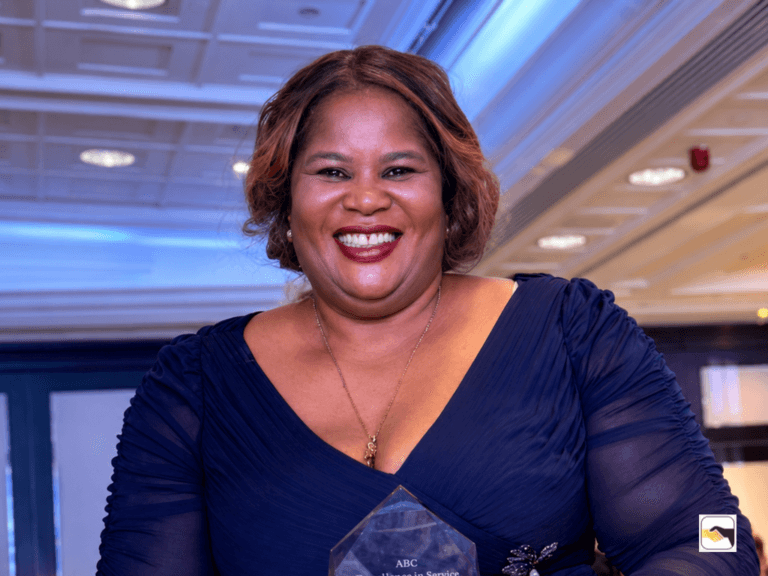
Leadership is often associated with titles, authority, and positions of power. Many people spend years waiting for permission to lead, believing they need a promotion, an appointment, or a prestigious title before they can make a difference. My journey has taught me a different lesson: transformative leadership begins long before anyone grants you permission.
I was born and raised in Malawi, a country rich in culture, resilience, and potential. Like many young girls growing up in Africa, I faced barriers that could have limited my aspirations. Yet I also witnessed the extraordinary power of education to transform lives. That conviction led me to become a classroom teacher, a profession that became the foundation for a leadership journey spanning more than twenty-six years across Africa, Asia, and Europe.
Today, I serve as Founder and Chief Executive Officer of Youth Action for Sustainable Development (YA4SD); Founder and CEO of Lion Olive Green Company Ltd; Council Chair of Destiny College of Leadership and Development Studies; Deputy President of the National Development Party in Malawi; and a board member of several international organisations. I am also the author of No Permission to Lead, From Classroom Teacher to CEO: Leadership that Inspires, and Against All Odds: A Woman’s Rise to Power.
Looking back, none of these achievements began with a title. They began with a decision to act.
Leadership Begins Where You Are
My first leadership role was not in a boardroom. It was in a classroom.
As a teacher, I quickly realised that education was about far more than delivering lessons. Every day offered opportunities to inspire confidence, foster curiosity, and help young people discover their potential. Leadership was not about authority; it was about influence.
This lesson stayed with me throughout my career.
Whether working in remote communities in South Sudan, supporting educational reform in Nigeria, managing large-scale education programmes with UNICEF, leading global advocacy initiatives with the Malala Fund, or supporting women entrepreneurs through Opportunity International, I have found that the most effective leaders are often those closest to the challenges.
The individuals who make the greatest impact rarely wait for permission. They identify problems, mobilise people, and create solutions.
Leadership is action.
Leading Through Crisis
Some of the most defining moments of my career occurred during humanitarian emergencies.
In South Sudan, I worked with communities affected by conflict and displacement. Schools had been destroyed, families had lost everything, and children faced immense uncertainty about their future.
There was no manual that could solve every challenge we encountered.
Leadership requires courage, adaptability, and a willingness to make decisions under pressure.
Together with communities, governments, development partners, and educators, we created safe learning spaces, trained teachers, mobilised resources, and ensured that children could continue learning despite the crisis.
Those experiences reinforced an important truth: leadership is not about having all the answers. It is about the courage to take the next step when the path ahead is unclear.
The same lesson applied during the COVID-19 pandemic. While leading education programmes in Nigeria, we faced unprecedented disruptions to learning, and millions of children risked being left behind.
Instead of focusing on obstacles, we focused on possibilities. We developed alternative learning solutions, strengthened community engagement, and ensured continuity of education for vulnerable children.
Crisis reveals leadership and creates opportunities for innovation.
The Power of Girls’ Education
Throughout my career, one issue has remained close to my heart: ensuring girls have access to quality education.
Across many countries, girls continue to face barriers such as poverty, child marriage, gender-based violence, cultural expectations, and limited access to education.
I have witnessed these challenges firsthand in countries including Malawi, South Sudan, Nigeria, Pakistan, and India.
Yet I have also witnessed the extraordinary transformation that takes place when girls are empowered through education.
An educated girl is more likely to complete her education, secure meaningful employment, delay early marriage, improve family health outcomes, and contribute to economic growth. The impact extends beyond individuals to families, communities, and entire nations.
This is why much of my work has focused on advocating for girls’ education, developing inclusive education policies, strengthening education systems, and creating opportunities for young women to thrive.
Education remains one of the most powerful tools for achieving social justice and sustainable development.
Women Leading Change
As a woman in leadership, I have often found myself in spaces where few women were present.
Leadership can be challenging for anyone, but women frequently face additional barriers. We are often expected to prove ourselves repeatedly, to navigate stereotypes, and to overcome structural inequalities.
Despite these challenges, I firmly believe that women bring unique strengths to leadership.
Women leaders often demonstrate resilience, empathy, collaboration, and long-term thinking. These qualities are essential in today’s complex and interconnected world.
My experiences across international development, governance, business, and politics have reinforced the importance of creating pathways for women to lead.
Representation matters.
When young girls see women serving as CEOs, ministers, board members, entrepreneurs, and community leaders, they begin to believe that such opportunities are possible for them too.
Leadership is contagious.
The more women who lead, the more future women leaders emerge.
Building Sustainable Solutions
One of the greatest lessons I have learned is that lasting change requires sustainability.
Development is not about temporary interventions. It is about creating systems that continue delivering impact long after projects end.
This philosophy inspired the creation of Youth Action for Sustainable Development.
Through YA4SD, we work with young people, women, and communities to promote economic empowerment, education, climate resilience, and sustainable livelihoods. Our vision is simple: to empower people to become agents of change in their communities.
Whether supporting youth entrepreneurship, promoting climate-smart agriculture, expanding educational opportunities, or advancing women’s economic participation, our approach focuses on building local ownership and achieving long-term impact.
Sustainable development is not something we do for people. It is something we build together.
Lessons for Emerging Leaders
After more than two decades of leadership across multiple sectors and countries, people often ask what advice I would offer aspiring leaders.
My answer is simple.
First, start where you are. You do not need a title to lead. You need the willingness to act.
Second, remain committed to learning. Leadership is a journey of continuous growth. The best leaders remain curious and adaptable.
Third, lead with purpose. Success is not measured solely by personal achievements but by the positive impact we have on others.
Fourth, embrace challenges. Every obstacle contains an opportunity to learn, grow, and innovate.
Finally, invest in people. Leadership is ultimately about empowering others to succeed.
The greatest legacy of any leader is not what they personally accomplish but what they inspire others to achieve.
The Future Belongs to Those Who Act
As I reflect on my journey—from a classroom teacher in Malawi to leadership roles around the world—I am reminded that meaningful change rarely begins with permission.
It begins with a decision.
A decision to step forward.
A decision to serve.
A decision to challenge the status quo.
A decision to believe that one person can make a difference.
The challenges facing our world today—inequality, climate change, poverty, conflict, and educational exclusion—require leaders at every level of society.
We cannot afford to wait for permission.
The future belongs to those willing to act with courage, integrity, and purpose.
My journey continues, but the message remains the same: wherever you are, whatever your role, and regardless of the obstacles before you, you already have the power to lead.
Do not wait for permission.
Lead.