
Charles L. Webb: Elevating Standards in Litigation and Client Service
High-stakes legal environments demand more than technical expertise; they require a working knowledge of the law and clarity under pressure, ethical discipline, and the ability to lead through complexity. In both criminal and civil litigation, outcomes often shape lives, businesses, and communities, placing legal professionals at the center of critical decision-making. This landscape continues to evolve with growing expectations for accountability, strategic thinking, and client-centered representation.
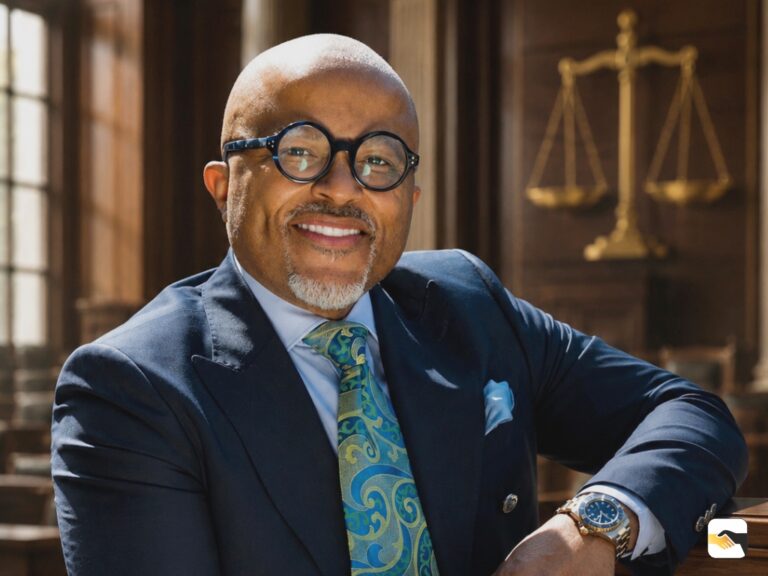
Within this demanding space, Charles L. Webb, Owner of Attorney Charles L. Webb, Inc., brings a focused and disciplined approach to legal practice. He navigates the complexities of litigation with a commitment to preparation, ethical responsibility, and practical judgment. His work reflects a balance between legal precision and a broader understanding of client needs, positioning himself as a professional who not only practices law but also contributes to the standards and expectations of the industry.
Purpose, Precision, and the Path to Legal Excellence
Charles describes his journey from his early academic years to establishing himself as a leader in criminal and civil litigation as a path shaped by relentless preparation and specialized skill development in both arenas. He grounds this path in a clear purpose, stating, “My journey began with my desire to protect the rights of others and my own personal experiences with unfairness in my childhood.”
His early academic years set a demanding standard, as he learned to exceed expectations set by teachers and classmates alike. He graduated as Salutatorian of his eighth-grade class from South Hamilton Elementary School and earned Highest Honors in high school, reinforcing his disciplined approach. During his undergraduate years at Edward Waters College, he actively pursued externships and internships with the United States Attorney’s Office in Jacksonville, Florida, strengthening his practical understanding of the legal system.
He also served as class president for all four years, reflecting his consistent drive to lead. Later, he graduated Summa Cum Laude with a bachelor’s degree in Criminal Justice and Mathematics. He matriculated in law school and maintained his focus, completing a dual degree program in Public Administration and Law at Florida State University, graduating in three years within a four-year program. He continues to build expertise with discipline, clarity, and purpose in every step.
Inspired by Family, Driven by Purpose
Charles identifies his parents as central to his decision to pursue a career in law, particularly in litigation. He shares, “My mother and father were an inspiration to me in my career.” He observes that his father, a small business owner, needed assistance to navigate legal challenges. Charles was able to provide that professional support. This exposure shaped his direction and strengthened his resolve to pursue a law degree with clarity and purpose from an early age.
Merging Legal Insight with Organizational Leadership
Charles explains that his dual academic background in law and public administration shaped a distinct perspective on justice and leadership by merging two complementary fields. He applies his legal training to maintain focus on accountability while addressing societal problems with clarity.
At the same time, his public administration background equips him with the skills to run and improve organizations through strategic decision-making, strengthening both his leadership approach and impact.
Faith as a Foundation for Legal Practice
Charles explains that his faith and study of religion at the Interdenominational Theological Center in Atlanta serve as his moral compass, shape his personal values, and guide his professional decision-making. He states, “It has provided me with the necessary skills and values that guide how I interact with others and how I navigate institutional rules.” He applies these principles to dissect the letter of the law while finding a compassionate application of policies, strengthening his ability to act with empathy and fairness in his legal practice.
Building a Respect-Driven Practice
Charles defines his leadership style as a combination of servant leadership and visionary management in his role as the owner of his practice. He consistently seeks new ideas that help his practice remain on the cutting edge of technology and the law. He views the delivery of legal services not only as a contract but as a way to meet the holistic needs of each client. He maintains discipline to ethically meet client needs, offering stern and candid advice when required. He also fosters a workplace where mutual respect remains the norm and encourages accountability and consistent professional growth across his team members.
Trust and Structure in High-Stakes Cases
Charles grounds his approach to complex and high-stakes legal matters in ethics, honesty, and structure. He states, “I have learned to always be ethical and honest with myself and with my client(s).” He builds trusting relationships and applies a client-centered approach, ensuring each case receives focused attention and disciplined execution.
Balancing Emotion with Professional Standards
As a former jurist, Charles maintains objectivity and clarity in emotionally charged cases through discipline and reflection. He filters media pressure and public opinion while adhering to professional standards in every area of his practice, ensuring balanced judgment and consistent decision-making.
Integrity at the Center of Decision-Making
Charles approaches ethical dilemmas by integrating biblical principles with disciplined legal judgment. In his words, “I integrate biblical principles and seek discernment and wisdom to align my decision-making with God’s will and ensure that the decisions I make are rooted in the law.” He reinforces integrity through consistent, principled actions.
Leadership as the Mark of Legal Excellence
Charles distinguishes a good legal professional from a truly influential one by drawing a clear line between competence and broader impact. He explains, “A good legal professional is competent and knows the law and operates within the law, while an influential one is defined more by their characteristics and leadership and how they make a broader impact on others and the community.”
He emphasizes that influential lawyers possess good judgment, apply their knowledge with responsibility, and lead through their actions, shaping not only outcomes in cases but also trust, standards, and positive influence within the legal profession and the communities they serve.
Preparation as the Foundation of Resilience
Charles identifies trying over 100 jury trials as one of the most challenging experiences in his career, recognizing the weight of responsibility each case carries. His practice focuses on the seven deadly cases. He explains that knowing a client’s future lies in his hands in the courtroom compels him to remain consistently prepared and focused.
He shares, “Proper preparation prevents poor performance has been a mantra that I have lived by in my 30+ years of practicing law, and it has allowed me to be resilient.” Through this experience, he strengthens his resilience, sharpens his leadership, and reinforces a disciplined approach that defines his performance under pressure.
Building Strong Legal Relationships Through Trust
Charles views safeguarding client trust, confidentiality, and ethical responsibility as fundamental to his legal practice, emphasizing their role in building strong professional relationships. He recognizes that without trust, a lawyer cannot establish a productive working relationship with a client. He ensures that every interaction with his clients must reflect integrity, discretion, and accountability, reinforcing confidence in his role. By prioritizing these principles, he strengthens communication, upholds professional standards, and maintains the level of trust necessary to effectively represent and support his clients.
A Vision for the Next Chapter in Law
Charles looks ahead with a clear focus on achieving financial security while balancing professional growth with personal fulfillment. He reflects on how the past 30 years have allowed him to master his legal skills and effectively lead and manage his office environment. He continues to build on this foundation by seeking and creating professional networks that foster personal development across different areas of the law, ensuring continued growth, adaptability, and meaningful progress in his legal journey.
Mentorship as the True Measure of Legacy
Charles approaches the idea of legacy with restraint, choosing not to focus on it directly but to build it through his actions and influence. In his words, “I try not to focus on legacy because I was always told by my mentors that if you focus on it, then you will never have it.” He invests his efforts in mentoring and elevating future legal talent, shaping the next generation through guidance and example.
He aims to be known as a consummate professional, morally, ethically, and intellectually. He measures his impact through meaningful influence, believing that if he inspires or helps even one person to become better, his work holds lasting value.