
Aerospace & Defense Industry
Why Is the Aerospace & Defense Industry Critical to National Security and Innovation?
From the fighter jets that secure a nation’s airspace to the satellites that connect our devices and monitor the planet, the aerospace and defense industry is a powerful force at the intersection of security, science, and technological progress. It not only safeguards borders and populations but also expands human capability far beyond Earth’s surface.
Let’s explore why this industry is essential to both national strength and global innovation:
Protecting Nations and Preserving Peace
At its core, the defense sector exists to ensure national security. Through the development of military aircraft, naval systems, missile defense platforms, cybersecurity infrastructure, and advanced surveillance technologies, this industry empowers countries to deter threats, defend borders, and maintain stability.
In a world where geopolitical tensions, cyberattacks, and terrorism are evolving, the defense industry provides the tools and systems that keep nations safe and prepared.
Connecting the World Through Air Travel
The aerospace segment builds commercial aircraft and cargo carriers that enable global mobility. From family vacations to international trade and humanitarian aid, air transportation connects continents and cultures, strengthens economies, and accelerates development.
Leaders like Boeing, Airbus, and Embraer continue to shape the future of flight—making it faster, safer, and more efficient.
Advancing Space Exploration and Satellite Innovation
The industry is at the forefront of space research and exploration, launching satellites, space stations, and deep-space missions. These initiatives support everything from climate monitoring and disaster response to global positioning systems (GPS), internet connectivity, and interplanetary exploration.
Thanks to agencies like NASA and innovators like SpaceX and ISRO, space is becoming the next frontier for science, commerce, and human achievement.
Driving Technological Breakthroughs That Benefit All
Aerospace and defense are incubators of cutting-edge technology. Innovations in AI, materials science, robotics, propulsion systems, avionics, and cyber defense often begin here and later transform civilian industries.
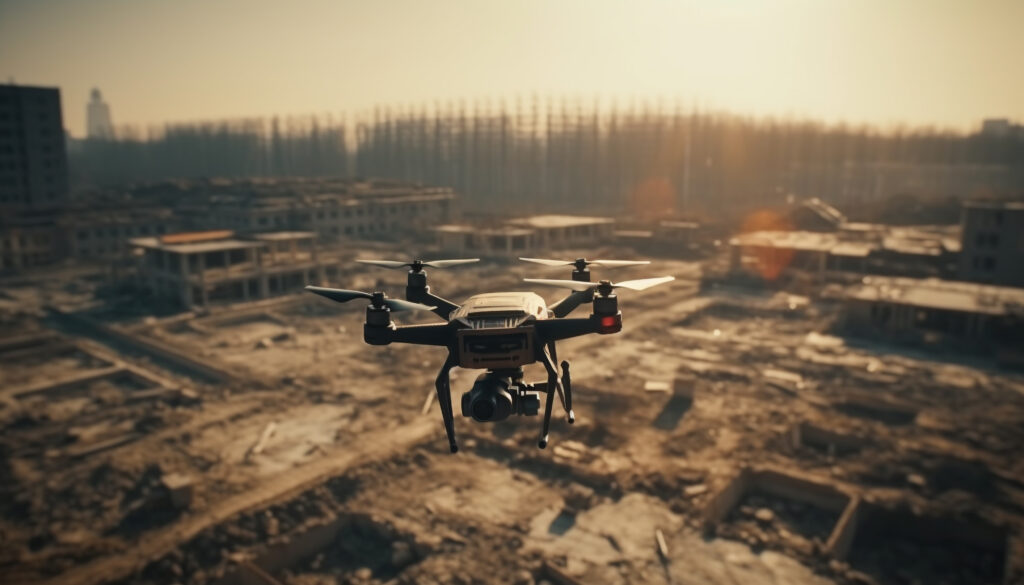
For example, GPS, drone technology, radar systems, and even certain medical imaging techniques were first developed for defense or aerospace use-highlighting the sector’s wide-reaching societal impact.
Fueling High-Skill Careers and Economic Growth
This high-tech industry employs millions of skilled professionals-including engineers, scientists, pilots, software developers, analysts, and advanced technicians. Jobs in aerospace and defense are known for their complexity, innovation, and strategic importance.
Additionally, the industry contributes significantly to national GDP, R&D investment, and high-value exports, making it a vital driver of both economic growth and industrial strength.
Strengthening Global Cooperation and Strategic Alliances
Beyond technology and defense, this sector fosters international diplomacy and collaboration. Nations partner on joint military exercises, space programs, and intelligence-sharing initiatives to confront shared threats and promote collective security.
Through organizations like NATO, joint missions, and multinational space exploration projects, aerospace and defense become tools for global unity and stability.
Conclusion: Securing the Present, Exploring the Future
The aerospace and defense industry is not just about machines that fly or weapons that defend. It’s about securing national interests, exploring new frontiers, and building a smarter, safer future through innovation, precision, and purpose.
As the world faces increasingly complex challenges—from cybersecurity threats to climate change, the role of this industry will only grow in importance, shaping the way we protect, connect, and evolve as a global society.