
Agriculture & Food Processing Industry
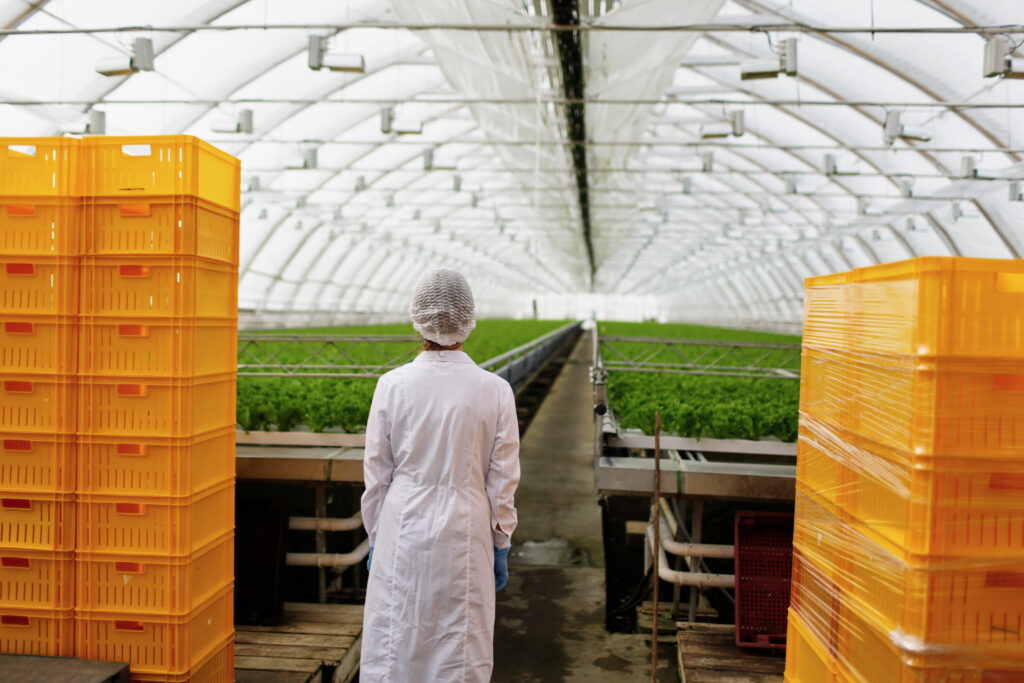
Why Is the Agriculture & Food Processing Industry Essential for a Sustainable Future?
From fertile farms to kitchen tables, the agriculture and food processing industry is one of the most vital sectors on the planet. It feeds billions, fuels economies, sustains rural livelihoods, and plays a critical role in addressing climate change and food security. In an era of growing populations and shrinking resources, this industry is at the heart of building a more resilient and sustainable future.
Let’s take a closer look at why this sector remains central to both human survival and global development:
Feeding a Growing Global Population
At its core, agriculture provides the essential staples of life—grains, vegetables, fruits, dairy, and protein. With over 8 billion people to feed, ensuring reliable, nutritious, and affordable food access is more important than ever.
Modern farming techniques, improved crop varieties, and global food networks enable farmers to meet increasing demand while navigating climate and economic challenges. Without a robust agricultural system, societies face hunger, malnutrition, and instability.
Adding Value Through Food Processing
Food processing transforms raw produce into safe, consumable, and convenient products. Techniques like freezing, packaging, pasteurization, and fermentation help extend shelf life, prevent spoilage, and reduce food waste.
From canned vegetables to ready-to-eat meals and dairy products, food processing improves availability and efficiency—especially in urban areas and regions with limited agricultural output.
Supporting Rural Livelihoods and Local Economies
Agriculture and food processing are major sources of employment and income, particularly in rural regions. This sector provides jobs across the entire supply chain—from farm laborers and machine operators to logistics coordinators and food scientists.
In many countries, agriculture is the backbone of the economy, contributing significantly to GDP, sustaining rural infrastructure, and helping reduce poverty.
Advancing Sustainability and Climate Action
To feed the world without harming the planet, the industry is rapidly embracing sustainable farming and processing practices. These include:
- Organic and regenerative agriculture to protect soil and ecosystems
- Drip irrigation and smart sensors to optimize water use
- Biodegradable packaging and composting to reduce food waste
Eco-conscious farming not only safeguards resources but also positions agriculture as a key player in fighting climate change.
Promoting Global Trade and Food Security
Agricultural goods are among the most traded commodities worldwide. From tropical fruits and spices to grains, seafood, and dairy, international food trade strengthens ties between nations and diversifies diets across cultures.
This interconnectedness ensures stability in global food supply, especially during natural disasters, conflicts, or pandemics that disrupt local production.
Innovating for Better Nutrition and Health
The food industry is evolving with science-driven innovations that respond to changing dietary needs and health concerns. Plant-based proteins, sugar-reduced snacks, fortified cereals, and allergen-free products offer healthier choices for consumers.
Personalized nutrition, functional foods, and health-focused product development are helping to combat lifestyle diseases and improve overall public health across all age groups.
Conclusion: Growing the Future, Sustainably
The agriculture and food processing industry is more than the sum of its parts-it’s a lifeline that nourishes people, empowers communities, and drives environmental progress. As global food needs expand, so does the importance of innovation, collaboration, and responsible practices in this critical sector.
From seed to supermarket, this industry shapes not just how we eat—but how we live, grow, and thrive in a sustainable world.