
Automotive Industry
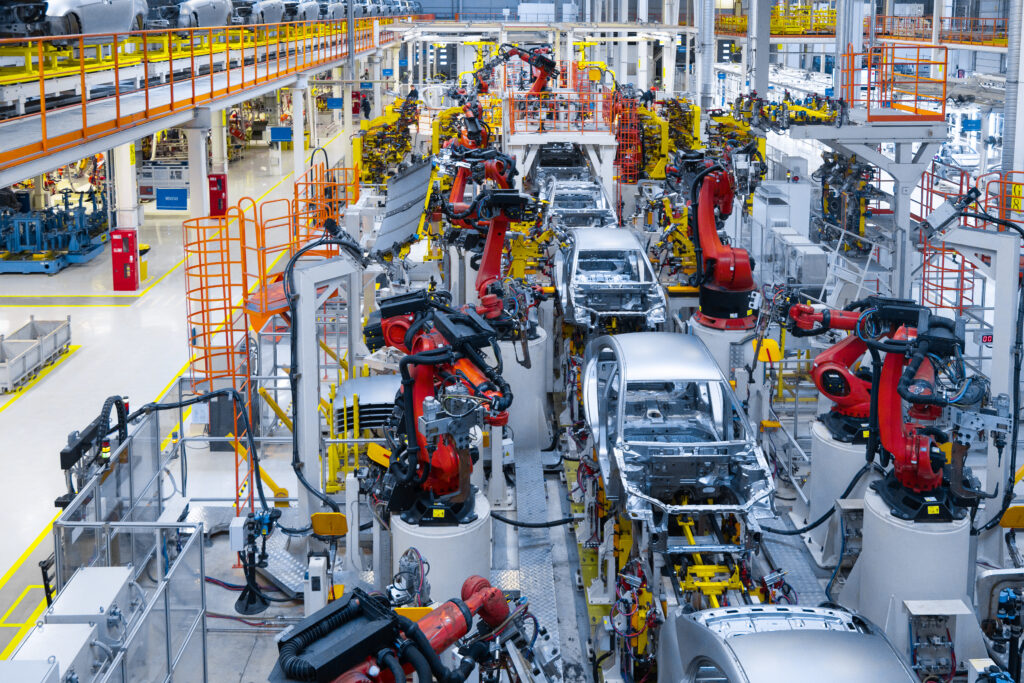
Why Is the Automotive Industry Driving the Future of Mobility?
From the cars we drive to work to the trucks delivering goods across continents, the automotive industry is a cornerstone of modern life. But it’s more than just transportation – this sector is at the forefront of innovation, sustainability, and global connectivity.
As electric vehicles (EVs), autonomous systems, and intelligent infrastructure rise, the automotive world is transitioning into a high-tech ecosystem that’s redefining how we move. Let’s take a closer look at why this industry remains one of the most powerful forces shaping the future:
Making Transportation Accessible and Reliable
For billions of people, mobility is freedom. Whether it’s commuting, running errands, or managing logistics, the automotive sector ensures that individuals and businesses stay connected and productive. Today’s vehicles are designed to be more fuel-efficient, affordable, and safer than ever – bringing reliable transport within reach of all.
With improvements in ride comfort, emission controls, and energy use, modern vehicles are tailored to meet both urban and rural needs efficiently.
Driving Industrial Growth and Job Creation
The automotive industry is a massive driver of economic growth. It provides employment to millions across production lines, design studios, repair shops, dealerships, and distribution hubs. Every car on the road supports a vast network of suppliers – from steel and aluminum to microchips and tires.
This ripple effect strengthens other industries, spurs infrastructure development, and fuels national economies.
Pioneering the Green Mobility Revolution
Sustainability is no longer optional – it’s the road ahead. Auto manufacturers are leading the charge with electric vehicles (EVs), plug-in hybrids, and hydrogen-powered models that aim to reduce dependency on fossil fuels and lower greenhouse gas emissions.
From Tesla’s gigafactories to legacy automakers embracing carbon-neutral production, the industry is undergoing a transformation toward cleaner, smarter mobility.
Integrating Smart and Autonomous Technologies
Modern vehicles are now digital platforms on wheels. With advanced driver-assistance systems (ADAS), real-time diagnostics, touch-screen infotainment, and AI-based navigation, cars are becoming safer, more responsive, and more personalized.
The rise of autonomous driving and connected vehicle ecosystems is paving the way for self-driving fleets, smart traffic management, and seamless mobility-as-a-service (MaaS).
Powering Global Trade and Logistics
Beyond private transport, the automotive industry plays a vital role in global commerce. Commercial vehicles like trucks, buses, and delivery vans are critical for moving goods, materials, and people across regions.
Fleet innovation, telematics, and electrified logistics are helping businesses optimize deliveries, reduce costs, and support faster, more sustainable supply chains.
Fueling Innovation and Lifestyle Culture
Cars have always been more than machines – they’re reflections of lifestyle, aspiration, and identity. From luxury sedans and performance sports cars to custom kits and electric scooters, the industry is constantly adapting to evolving tastes and trends.
Auto expos, motorsports, and influencer-led campaigns keep the automotive scene exciting, experiential, and emotionally resonant with consumers worldwide.
Conclusion: Shaping the Road Ahead
The automotive industry isn’t just producing vehicles- it’s reinventing how the world moves. With its fusion of clean energy, smart technologies, and global reach, it stands as a driving force for change in how we live, work, and connect.
As innovation accelerates and sustainability takes center stage, the road ahead promises a mobility experience that’s smarter, safer, and more sustainable for generations to come.