
Charles Mattocks: Beyond the Camera A Filmmaker on a Mission to Change Lives
Charles Mattocks: Beyond the Camera A Filmmaker on a Mission to Change Lives
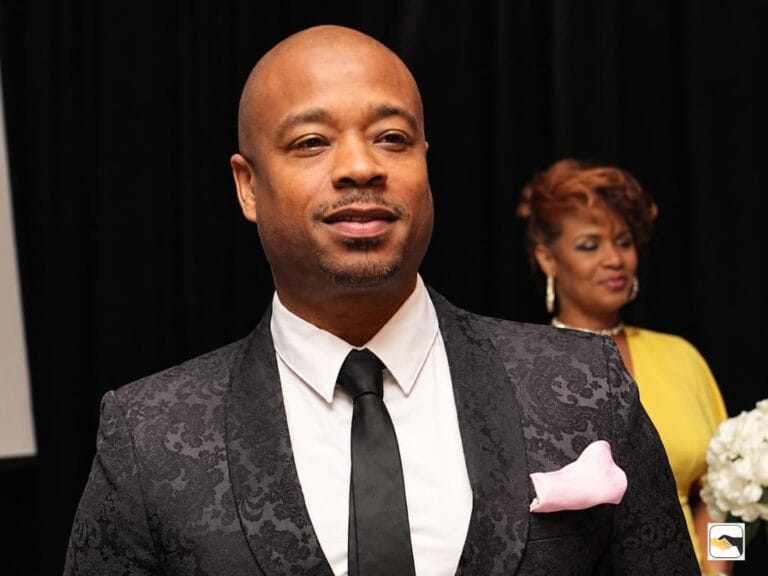
A Mission Beyond the Camera
Some filmmakers build careers around entertainment. Charles Mattocks has built his around a different question: What happens when someone facing a frightening diagnosis finally feels heard?
An Emmy-nominated, award-winning filmmaker, producer, television host, and health advocate, Charles has dedicated his career to telling stories that matter. From diabetes and cancer to chronic pain, menopause, and lesser-known conditions, his mission extends far beyond television.
He wants to give a voice to those who often go unheard, challenge the silence surrounding difficult health conversations, and provide hope to individuals and families searching for answers.
The nephew of legendary musician Bob Marley, Charles has established his own identity through filmmaking and advocacy. His productions have appeared on major platforms, including PBS, Discovery, Amazon Prime Video, Apple TV, and Tubi. His work has also brought him national recognition through appearances on The Today Show, Good Morning America, CNN, and other prominent media outlets.
Yet for Charles, recognition is not the ultimate measure of success. The greatest reward is knowing that something he created might help change someone’s life.
The Diagnosis That Changed Everything
Charles’s journey into health advocacy began with his own diagnosis of type 2 diabetes. Suddenly, health was no longer an abstract subject. It was personal.
Determined to understand his condition and help others facing similar challenges, he created The Diabetic You, followed by REVERSED, a television series exploring diabetes through personal experiences and medical expertise.
These projects established the foundation of his storytelling philosophy: medical experts provide essential knowledge, but patients give every story its heart.
He recognized that people living with illness need more than statistics and medical terminology. They need understanding, connection, encouragement, and the reassurance that their experiences matter.
When Health Challenges Hit Home
His mission became even more personal when serious illness affected his family.
His mother, Constance Marley, experienced complex regional pain syndrome (CRPS), a devastating chronic pain condition that is frequently misunderstood.
Witnessing her suffering inspired Trial by Fire, an award-winning documentary that brought attention to the realities of living with chronic pain. The continuing development of Trial by Fire 2 reflects his commitment to ensuring that these patients are not forgotten.
Cancer also left a lasting mark on his life. Losing his father to cancer deepened his understanding of the emotional toll illness takes on entire families. His documentary Eight Days explored the human experience of cancer, revealing the fear, uncertainty, courage, and relationships behind a diagnosis.
These experiences reinforced something Charles strongly believes: behind every medical condition is a person, a family, and a story deserving to be heard.
A Black Male Filmmaker Championing Women’s Health
One of the most distinctive chapters of Charles’s career is his decision, as a Black male filmmaker, to take on subjects historically considered women’s issues.
In March 2026, he released Four Days, a four-part menopause documentary series filmed in Costa Rica.
For some, a man producing a documentary about menopause might seem unexpected. For Charles, that is precisely why these conversations matter.
He believes women’s health should never be treated as a subject that concerns women alone. Menopause, hormonal changes, reproductive health, and chronic conditions affect relationships, families, workplaces, and communities.
Rather than claiming to understand women’s experiences firsthand, Charles uses his platform to listen, amplify their voices, and bring greater visibility to subjects that have too often been overlooked.
The documentary brought women and medical experts together in Costa Rica, creating an environment where participants could speak openly about physical symptoms, emotional well-being, intimacy, identity, and the challenges of navigating menopause.
His approach demonstrates an important principle: meaningful advocacy is not defined by gender, but by the willingness to listen, learn, and stand alongside those who deserve greater understanding.
Three Women and Me: Building Something Bigger
Charles’s vision for women’s health did not end with one documentary.
Recognizing the need for continued education and open dialogue, he began developing Three Women and Me, a television talk show and broader women’s health platform.
Through Three Women and Me, Charles is creating a space where medical expertise meets authentic conversations.
The platform extends beyond menopause to explore endometriosis, fertility, fibromyalgia, hormonal health, mental health, sexual wellness, longevity, chronic pain, and preventive care.
His ambition is to build more than a television show.
He envisions a growing community connecting women, healthcare professionals, advocates, clinics, and innovative brands through meaningful conversations and educational opportunities.
In October 2026, the Global Women’s Health Summit brought together international experts and advocates, further demonstrating his commitment to expanding these conversations beyond traditional television.
For Charles, the goal is simple: empower people with knowledge, encourage them to ask questions, and make health education accessible to everyone.
Giving a Voice to Those Living With Overlooked Conditions
Charles continues expanding his documentary portfolio with projects addressing some of today’s most challenging health issues.
Among them is a developing series focused on transthyretin amyloid cardiomyopathy (ATTR-CM), a serious heart condition that can be difficult to recognize.
The proposed documentary will bring together five individuals living with ATTR-CM, alongside cardiologists, medical specialists, genetic counselors, and patient advocates.
Through their personal experiences, Charles hopes to raise awareness, encourage informed conversations, and help audiences better understand the importance of appropriate medical evaluation.
He is particularly interested in reaching communities where awareness and access to reliable health information remain significant challenges.
Prostate Cancer, Endometriosis, and Fibromyalgia: Expanding the Mission
Charles is also developing a prostate cancer documentary series, a project deeply connected to the loss of his father.
Envisioned around five men sharing their experiences in Costa Rica, the series aims to challenge the silence surrounding men’s health and encourage honest discussions about diagnosis, vulnerability, family, and treatment decisions.
His expanding slate also includes documentary projects focused on endometriosis and fibromyalgia, two conditions that can profoundly affect quality of life and are frequently accompanied by misunderstanding, delayed recognition, and frustration.
For Charles, these are not simply opportunities to produce more television. They are opportunities to shine a light on individuals who may have spent years searching for answers, validation, and support. Every new project reflects his commitment to bringing patients, advocates, and medical professionals together through responsible, compassionate storytelling.
The Legacy He Wants to Leave
For Charles Mattocks, filmmaking has never been solely about cameras, awards, or distribution. It is about people. It is about the woman who finally recognizes her own symptoms in someone else’s story.
The man who finds the courage to discuss his health. The patient who realizes they are not alone. The family that begins asking questions it previously felt afraid to ask.
Charles believes storytelling can open doors that traditional health communication sometimes cannot.
His vision is to build a lasting platform where education, compassion, advocacy, and human connection come together to create meaningful change.
Through documentaries, television programming, educational initiatives, and collaborations with healthcare professionals, he continues working toward that goal.
He understands that a film cannot provide every answer or solve every medical challenge. But it can begin a conversation, inspire someone to seek credible guidance, and remind people that their voices matter.
Ultimately, Charles Mattocks wants his legacy to be measured not simply by the films he has made, but by the lives those films have touched.
Because for him, the most powerful story is not the one that wins an award. It is the one that helps someone find hope, feel heard, and realize that their life matters.