
Charles Pyke: Strengthening Family Continuity Through Coordinated Legal and Financial Planning
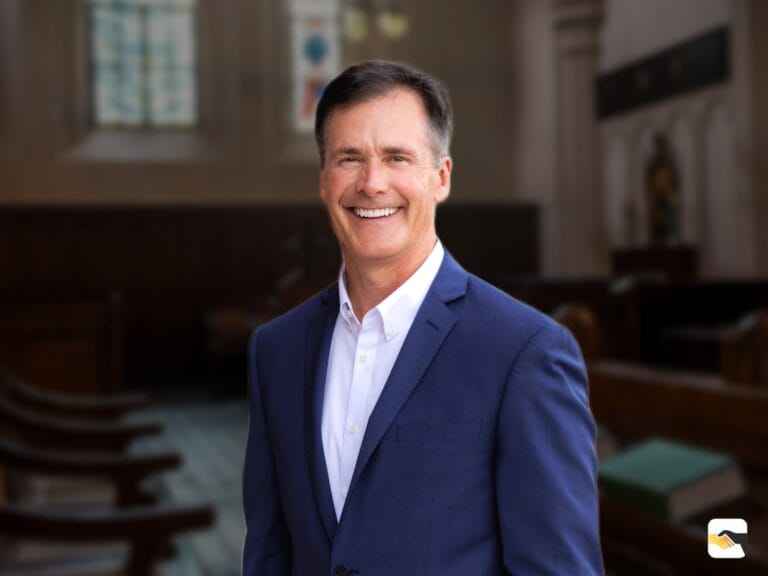
Estate planning is often reduced to paperwork. A will is signed. A trust is drafted. Documents are placed in a binder and stored in a drawer. For many families, that is where the conversation ends.
Charles Pyke has spent his career demonstrating why that approach is dangerously incomplete.
Estate planning is not about paperwork. It is about continuity. It governs who makes decisions during incapacity, whether retirement income flows with precision or friction, and whether tax exposure erodes decades of work. It also influences whether children inherit clarity or conflict. It defines whether a business survives transition or fractures under uncertainty.
When coordination breaks down—between clients, attorneys, financial advisors, and tax professionals—plans unravel under pressure. Assets drift into probate unnecessarily. Beneficiary designations contradict trust language. Long-term care exposure wipes out liquidity. Retirement income projections fail to align with ownership structures. The damage rarely appears immediately. It surfaces at transition—when correction is costly, and emotions run high.
Clear structure and clearly defined professional roles determine whether a plan holds or collapses.
Within this disciplined arena, Charles Pyke leads Pyke, Presley & Associates, P.C., a Georgia-based elder law and estate planning firm he founded in 1996. From the beginning, the firm’s mission has been direct and unwavering: “Helping people to be good stewards of all that has been entrusted to them.”
That statement reflects more than professional positioning. It reflects conviction. Stewardship, in his framework, demands preparation, integration, and long-term accountability. It requires more than documents. It requires architecture.
What distinguishes Charles’s platform is not simply competence in drafting estate plans. Many attorneys draft documents. What differentiates his work is the disciplined integration of five essential pillars of holistic planning:
- Estate Planning
- Tax Planning
- Retirement Income Planning
- Investment Management
- Asset Protection
Estate planning has never stood alone in his practice. It is one of five coordinated discipline families that must be fully aligned. When any pillar operates in isolation, instability follows.
A Conversation That Shaped the Architecture
The blueprint for that integrated approach traces back to a lunch in the fall of 1988.
As a first-year law student at Emory University School of Law, Charles faced the requirement to declare a legal specialty. Without a clear path, he sought counsel from his father, a CPA and financial advisor who had spent decades guiding families through financial transitions.
They met at Mary Mac’s Tea Room in Atlanta. In the middle of a crowded dining room, his father asked him to look around carefully.
“What is everyone in this room eventually going to do?”
The answer was direct: die.
His father asked, “What’s the other certainty in life?” Taxes.
He explained that every individual in that room would work, accumulate assets, retire, and eventually transfer what they built—either by deliberate design or by default. Retirement would require income planning. Death would trigger asset transfer. Taxes would inevitably intersect both.
If Charles wanted to build a practice of consequence, he needed to understand how law, finance, and taxation converge at those critical junctions.
That conversation did not merely guide him toward estate planning. It shaped an architectural mindset.
In 1996, he established his law firm. In 1997, he launched a financial advisory firm and formed a CPA practice the same year. His goal was never expansion for its own sake. His objective was integration—bringing legal, financial, and tax disciplines together in coordinated service of families.
Over time, his experience confirmed what that lunch had foreshadowed. Families rarely fail because they lack assets. They falter because planning is incomplete, misaligned, or poorly coordinated across those five key pillars.
Estate planning was never the “center.” It was one structural component within a broader, disciplined system.
Depth of Credentials and Entrepreneurial Discipline
Charles’s background reflects both academic rigor and entrepreneurial initiative.
A native Georgian, he earned a Bachelor of Science in Finance from Auburn University before obtaining his Juris Doctor from Emory University School of Law. His early training in finance provided fluency in asset structure and retirement income dynamics long before most attorneys entered the conversation.
He is certified as an Elder Law Attorney by the National Elder Law Foundation—one of only a handful of attorneys in Georgia to hold that distinction. He is an Accredited Attorney before the Department of Veterans Affairs. He maintains an active membership in the National Academy of Elder Law Attorneys and Wealth Counsel.
His professional licenses have extended beyond law to include multiple securities registrations (Series 7, 6, 65, 66, 24) and insurance licensure in life and health, and even a Georgia real estate license—reflecting a broad understanding of the interconnected nature of wealth, risk, and asset ownership.
He is also a published educator. As co-author of A Will is Not Enough in Georgia, Estate Planning Basics: 38 Common Questions About Estate Planning, and The Complete Guide to Estate and Legacy Planning, he has consistently reinforced one message: legal documents must be integrated within a larger financial structure to function properly.
Over the decades, his platform has served more than 15,000 families across Georgia.
Education as a Strategic Foundation
From its inception, the firm prioritized education. Public seminars, workshops, and structured presentations allowed families to understand not only estate planning mechanics but the broader journey of life planning—retirement income sequencing, long-term care exposure, asset titling, beneficiary alignment, and tax efficiency.
Today, that educational platform has expanded into webinar-based delivery, allowing structured estate planning education to reach families and advisors regardless of location.
Education, in Charles’s view, reduces fear and replaces assumption with clarity. It reinforces stewardship by equipping families to understand what they manage.
Leading with Responsibility and Alignment
Charles defines stewardship as a guiding belief that shapes both his personal values and his leadership approach. He states, “Stewardship is the belief that what we manage—wealth, relationships, influence—is entrusted to us, not owned outright.” That conviction influences how he builds systems, makes decisions, and serves families. He does not focus on short-term wins. He prioritizes structures that outlast individuals and protect client interests long after documents are signed.
He views stewardship as more than wealth preservation. He sees it as alignment. He ensures that a family’s legal structure, financial plan, tax strategy, and long-term goals operate together rather than in isolation. This philosophy leads him to intentionally structure his firm to complement fiduciary financial planning. He positions estate planning as one pillar within a broader, coordinated framework that includes investment management, retirement planning, tax strategy, and asset protection.
When these five areas function together under clear professional boundaries, families gain clarity and confidence. That alignment defines how Charles leads and how he serves.
Expanding Impact Through Coordinated Partnership
An important component of Charles’s work ties directly into the broader vision behind the law firm. While his career highlights estate planning, one of the most significant outcomes of the firm’s growth reflects a deeper intention. He builds the firm not only to create exceptional, attorney-led estate plans, but also to serve as an organic growth engine for Registered Investment Advisory firms that share a philosophy of stewardship and holistic planning.
When estate planning is conducted thoroughly, it reveals reality. It uncovers fragmented assets, outdated beneficiary designations, unmanaged retirement accounts, unnecessary tax exposure, and structural planning gaps. Families often discover accounts they had forgotten, beneficiary conflicts they had overlooked, or long-term care exposures they had underestimated.
As those realities surface, coordination becomes the rational next step.
Over time, this disciplined, attorney-led model has contributed billions of dollars in assets under management to aligned RIAs—not through product distribution or promotional pressure, but through structural clarity. Families who see their entire estate and financial structure illuminated seek alignment.
The model is straightforward and disciplined:
- Estate planning is led by licensed attorneys.
- Financial planning remains in the hands of fiduciary advisors.
- Tax strategy remains within proper professional oversight.
- Clients receive coordinated guidance across five key areas of holistic planning.
Estate planning stands as one pillar, yet proper integration naturally uncovers fragmentation. When professionals handle coordination correctly and compliantly, that structure strengthens families and deepens advisory relationships.
Charles explains, “Our law firm is open to partnering with Registered Investment Advisory firms that are interested in an attorney-led estate planning model designed to integrate with comprehensive financial planning.” He seeks partnerships with RIAs that share a mission of helping families remain faithful stewards of what has been entrusted to them. Firms interested in exploring a coordinated legal partnership may contact information@pykepresley.com directly.
The objective is not to blur professional lines. It is to reinforce them.
He also directs families and advisors to estate planning educational webinars available at www.pykepresley.com. This initiative reflects what he actively builds today: a scalable, attorney-driven estate planning platform that complements fiduciary wealth management while preserving clear legal and advisory boundaries.
The Power of Attorney-Led Coordination
From the beginning, Charles structured his firm as a strategic platform rather than a document mill. He often explains that estate planning, when handled properly, serves as a diagnostic process as much as a drafting process.
An attorney-led estate plan requires examining ownership structures, beneficiary designations, tax exposure, retirement income sequencing, and asset protection vulnerabilities. It requires understanding incapacity risk, long-term care planning, business succession design, and intergenerational transfer strategy.
The process reveals truth.
It reveals whether a trust aligns with retirement accounts. It reveals whether titling reflects planning intent. It reveals whether liquidity exists to sustain long-term care. It reveals whether tax exposure has been modeled realistically.
These discoveries do not “sell” services. They expose structure—or the lack thereof.
When families see the full picture, coordination becomes prudent stewardship.
He positions estate planning as one of five pillars of holistic stewardship—estate planning, tax planning, retirement income planning, investment management, and asset protection. When these pillars align, families gain clarity, structure, and long-term stability.
Coordination Without Compromise
Charles invites Registered Investment Advisory firms to partner with his law firm because he sees a structural gap in the industry. He observes that most RIAs attempt to address estate planning through software platforms or loose attorney networks. That approach creates fragmentation and, in some cases, compliance risk. He believes families and advisors deserve a more disciplined model.
The unauthorized practice of law by non-lawyer advisors is not only dangerous for those advisors but also dangerous for families who assume a software-generated plan is complete when critical legal analysis never occurred.
He explains, “Our model is different.” Estate planning remains fully attorney-led. Licensed attorneys handle the legal diagnosis, drafting, and execution under a formal attorney–client relationship. Financial advisors remain focused on fiduciary planning within their professional boundaries. This structure creates clarity, insulation, and coordination without confusion over roles.
He does not seek to blur professional lines. He seeks to strengthen them.
Families deserve coordinated stewardship. Advisors deserve a reliable legal partner. The industry benefits from a model that elevates standards rather than dilutes them.
Direction, Clarity, Integrity
Over more than three decades in the legal profession, Charles sees his perspective on leadership evolve with experience. Early in his career, leadership meant personal expertise and responsibility—being prepared, decisive, and accountable. Over time, experience reshaped that belief.
He explains, “Experience taught me that sustainable leadership is about architecture, not personality.” He shifted his focus toward building teams, systems, and cultures that function effectively without constant intervention.
Today, he defines leadership as responsibility for direction, clarity, and integrity. He removes friction, protects standards, and empowers others to produce excellent work within a clearly defined framework.
Lessons That Shape Leadership
Charles credits his father as the leading mentor in his life, while his Christian faith forms the foundation of his mindset. Both influences reinforce preparation, accountability, and doing things correctly the first time.
Credibility is earned slowly and lost quickly.
He carries those lessons directly into his legal and financial planning practice. He treats precision as essential. He honors promises. He places long-term reputation above short-term opportunity, knowing that trust defines professional endurance.
Balancing Expertise and Empathy
Charles approaches leadership with a clear standard: “Compassion without competence is ineffective; competence without compassion is incomplete.” He believes estate planning demands both. Families seek his guidance during moments of uncertainty, transition, or while pursuing peace of mind. He accepts the responsibility to provide clarity without emotional detachment.
He balances legal expertise with compassion by listening carefully, explaining plainly, and guiding decisively. He does not abdicate professional judgment, yet he always respects the human dimension behind the legal work. Through that discipline, he ensures families feel understood, informed, and confidently led.
The Discipline of Saying No
Charles faced testing moments during capacity constraints and pivotal growth decisions. He understands that turning away from misaligned opportunities requires courage.
When growth requires compromise of standards, he chooses restraint.
Character reveals itself when expansion tempts deviation.
Coordination as the Core of Legacy
Charles understands legacy through decades of working closely with families and individuals. He sees a consistent truth: “Legacy is rarely about money. It is about order, preparation, and intention.” After serving thousands of families, he recognizes a clear pattern. Money functions as a tool. In disciplined hands, it builds opportunity and stability. In unprepared hands, it accelerates dysfunction.
Many beneficiaries spend inherited wealth at the same pace at which they receive it. Without structural guardrails, distributions are consumed rather than preserved. Inheritance that arrives in large sums without planning often disappears as quickly as it arrives.
This reality strengthens his stewardship mindset. He defines responsibility as anticipating problems before they surface—between spouses, between generations, and between fiduciaries. He designs plans that reduce ambiguity, prevent conflict, and establish guardrails for beneficiaries who lack readiness for full control.
Through experience, he observes that a legacy rarely collapses because of insufficient assets. It collapses because of poor coordination. He sees families with substantial wealth struggle when legal documents remain outdated, accounts stay scattered, beneficiary designations conflict with trusts, or advisors fail to communicate. These experiences reinforce his conviction that estate planning cannot stand isolated from the broader financial plan. When attorneys lead estate planning and coordinate with fiduciary advisors, the process becomes a stabilizing force rather than a reactive tool.
Leadership Measured by Durability
Charles believes influential leaders in the legal field build systems, not just practices. They elevate standards, reduce risk for clients, and create models that others can rely on. He focuses on sustainability, ensuring the practices he builds endure beyond his own tenure. In his view, leadership requires more than professional skill; it demands structural thinking and disciplined execution.
He also recognizes that today’s environment tests integrity. He asserts that influence requires the courage to challenge convenience-driven shortcuts, especially where compliance and professional boundaries are concerned. He measures success not by attention or visibility, but by endurance. For him, “True influence is measured by durability, not visibility.”
Intellectual Curiosity in Practice
Charles grounds his development in a clear principle: “One of my core values is to be a perpetual learner.” Even after years in the field, he refuses intellectual complacency. He strengthens his perspective by engaging with adjacent disciplines such as finance, compliance, and operations. He tests ideas against real-world constraints and refines them through practical application.
He sustains intellectual energy by designing new delivery models, improving systems, and mentoring professionals who challenge assumptions. That exchange sharpens his thinking and pushes him to learn something new each day.
On a personal level, he treats growth as a deliberate act of reflection. He evaluates when to evolve and when to preserve structures that already function well. This balance between innovation and preservation keeps his leadership measured, relevant, and disciplined.
Ethics as a Strategic Framework
Charles approaches decision-making with a firm conviction: “Ethics are not a constraint; they are a framework for sustainable decision-making.” He does not treat ethics as an obstacle to progress. He treats them as structure. In his professional life, ethics determine how services are delivered, who provides them, and where responsibility rests. He establishes clear boundaries because those boundaries protect clients, advisors, and institutions alike.
In his personal life, he applies the same standard. He evaluates decisions through a long-term stewardship lens. He asks whether each choice can withstand scrutiny not only today, but years from now. That discipline anchors both his leadership and his character.
Restoring Clarity Outside Work
Charles has cultivated a range of interests outside his professional life, including involvement in a private foundation he founded focused on Christian stewardship, www.3clane.org, as well as horses, shooting sports, scuba diving, fishing, and hunting. These pursuits ground him. Time away from work reinforces perspective and steadies his thinking. He reflects, “Time outside of work reinforces perspective.” Through these activities, he reminds himself that leadership does not center on urgency; it centers on consistency.
Stepping away sharpens his judgment, clarifies priorities, and prevents reactive decision-making. He returns to his responsibilities with renewed focus rather than fatigue. Balance, in his view, strengthens discipline and restores clarity. By protecting time beyond the office, he sustains both his well-being and his capacity to lead with measured confidence.
Reputation as a Professional Asset
Charles offers direct guidance to young legal professionals who seek meaningful, values-driven careers. He urges them to begin with fundamentals and master the basics before chasing innovation. He reminds them, “Competence is earned the old-fashioned way—through repetition, discipline, and attention to detail.” Skill develops through consistent effort, not shortcuts.
He emphasizes that reputation compounds over time. Every file handled with care, every client served with integrity, and every promise kept builds credibility. The reverse also holds true. A professional’s name stands as a primary asset, and he advises guarding it carefully.
He encourages young professionals to choose long-term positioning over short-term opportunity. Small, disciplined decisions, applied consistently over years, produce exponential results. Compounding works only when commitment remains steady.
Finally, he advises intentional design. Meaningful careers do not happen by chance. Professionals must decide who they want to become, align actions with that identity, and execute consistently. In time, the market rewards those who operate with principle and long-term vision.
Redefining Estate Planning for the Future
As Charles looks ahead to 2026 and beyond, he defines his desired impact with clarity and restraint. He states, “I hope to be remembered for elevating stewardship—teaching families to manage wisely what has been entrusted to them and giving them the structure to do it well.” He wants his work to strengthen judgment and discipline across generations.
He focuses particularly on transforming estate planning from a transactional exercise into a coordinated professional discipline. He rejects the notion that it serves merely as document production. In his view, proper execution requires strategic architecture. It demands legal precision, financial alignment, tax awareness, and disciplined implementation. When these elements operate in isolation, families suffer. When they function in coordination, families thrive.
He also values professional boundaries. If his efforts reinforce respect for those boundaries while demonstrating that ethical integration remains possible, he considers that meaningful progress. If the systems he builds reduce confusion, prevent conflict, and protect beneficiaries from predictable mistakes, he considers that a lasting impact.
For Charles, legacy does not rest on recognition. It rests on durability. If the structures he creates continue serving families effectively long after he steps aside, he considers that legacy enough.